

Anaplasma phagocytophilum
Anaplasma phagocytophilum is a bacterium that can survive and multiply only within living cells. The bacterium primarily infects neutrophils and can cause human granulocytic anaplasmosis (HGA) in humans. This tick-borne infection usually presents 5–14 days after a tick bite with nonspecific flu-like symptoms, including fever, fatigue, headache, muscle pain, joint pain, nausea, and shortness of breath.
After being taken up by the neutrophil, A. phagocytophilum prevents the vacuole containing the bacterium from fusing with lysosomes. As a result, the bacterium escapes intracellular degradation and is able to multiply within the host cell. In addition, various immune functions of neutrophils are inhibited, and IL-8 production increases, attracting additional neutrophils and promoting further spread of the infection.
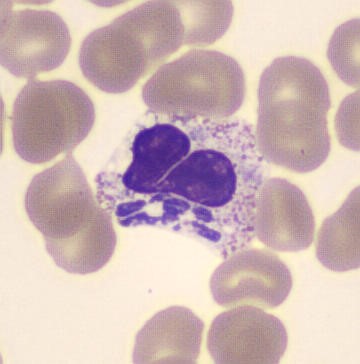
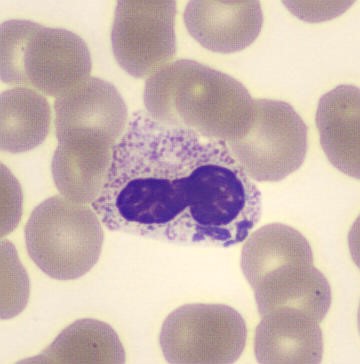
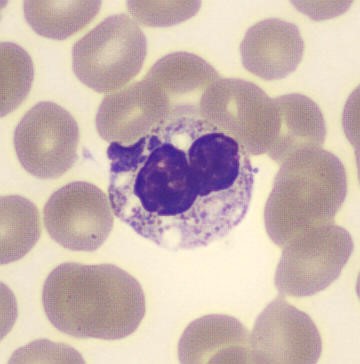
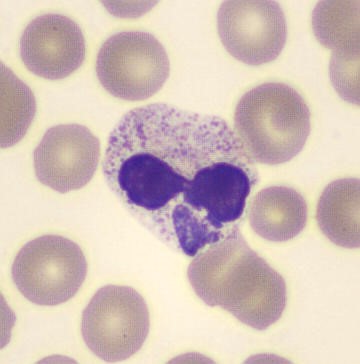
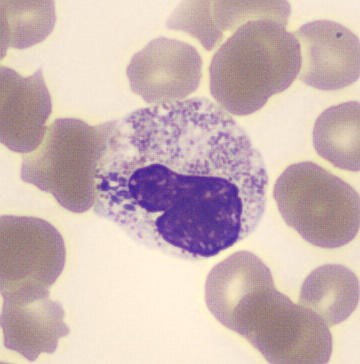
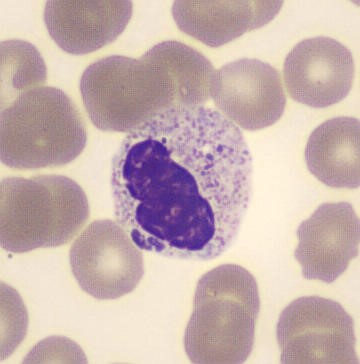
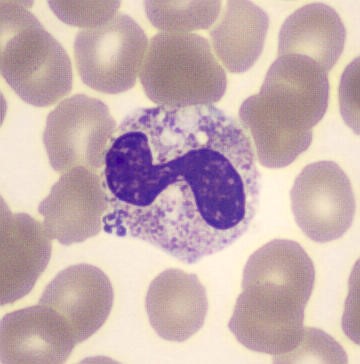
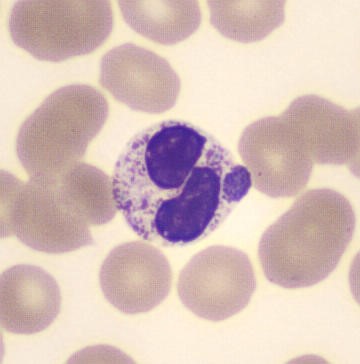
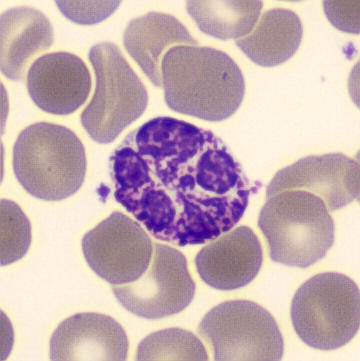
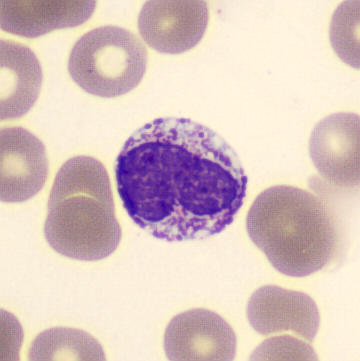
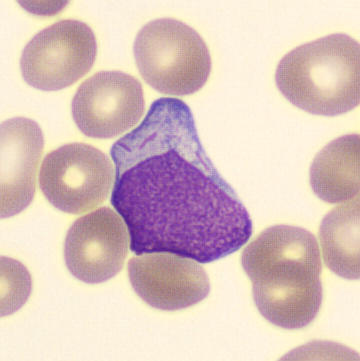
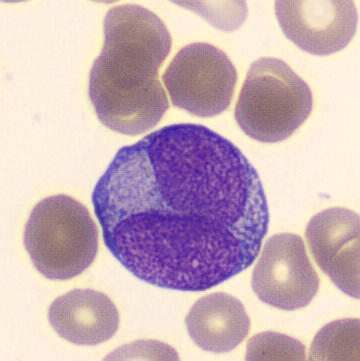
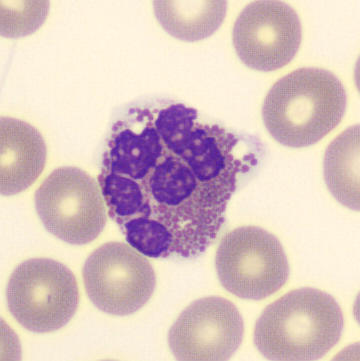
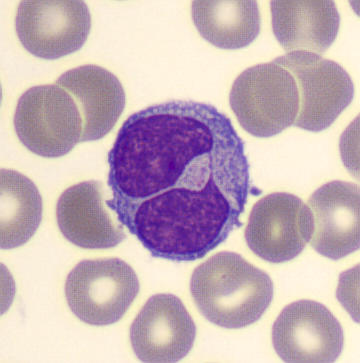
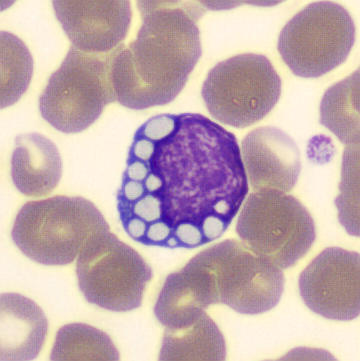
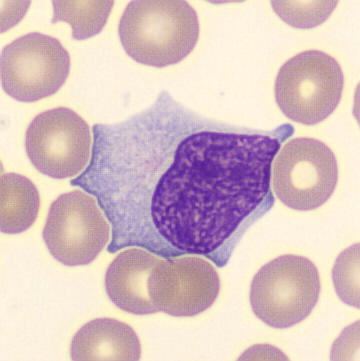
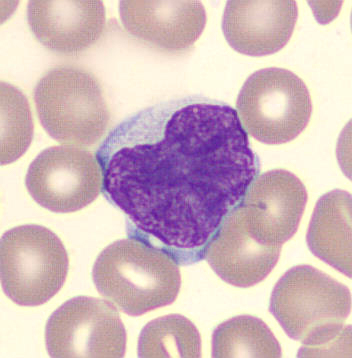
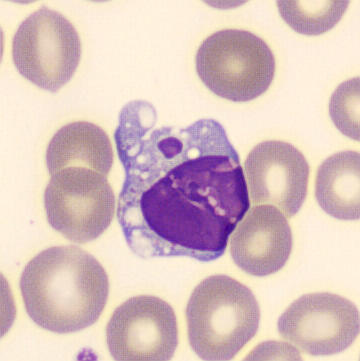
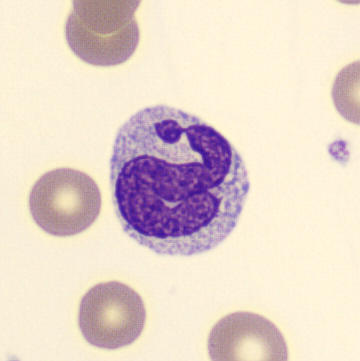
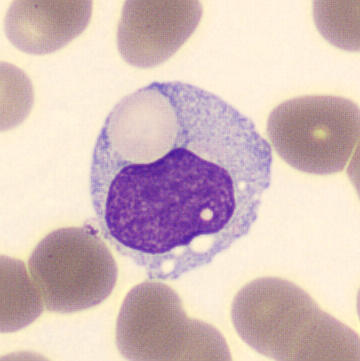
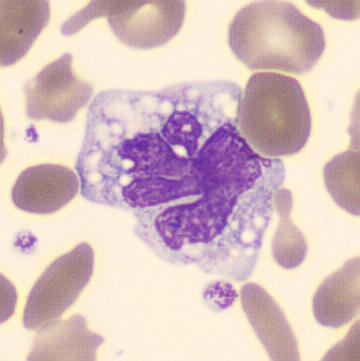
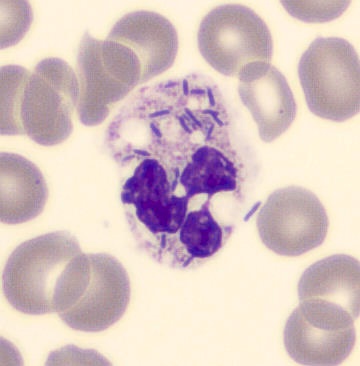
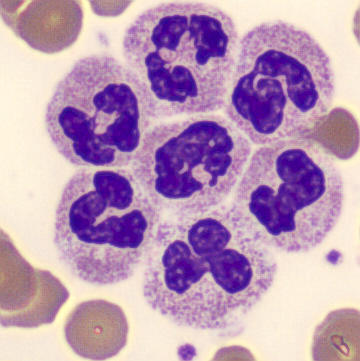
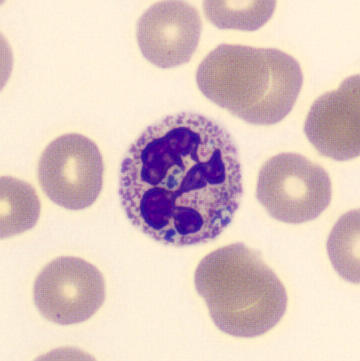
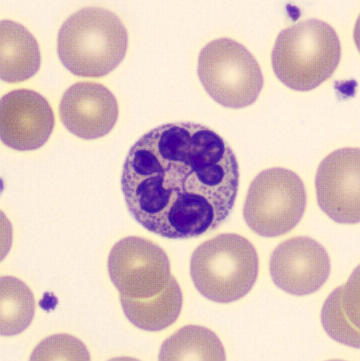
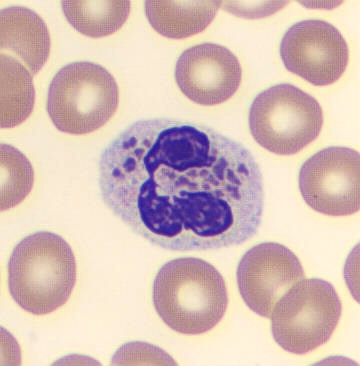
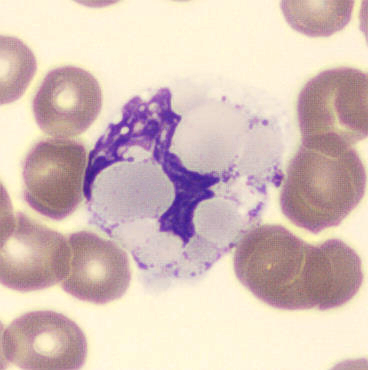
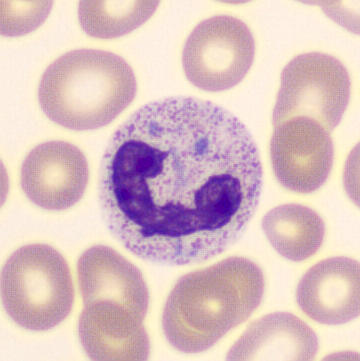
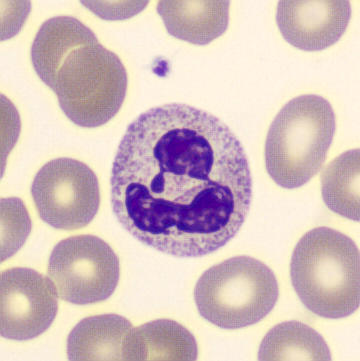
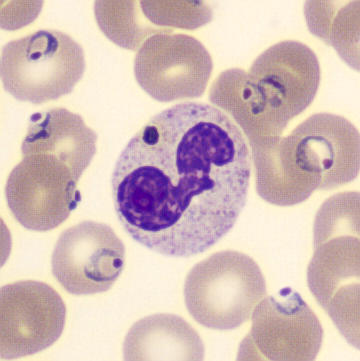
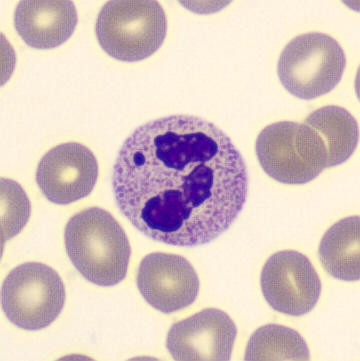
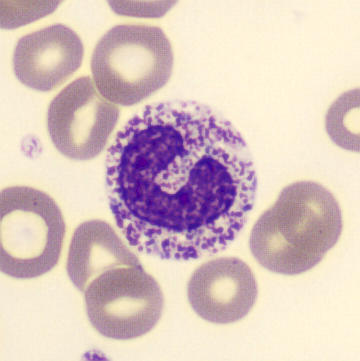
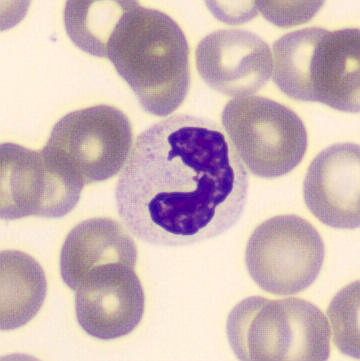
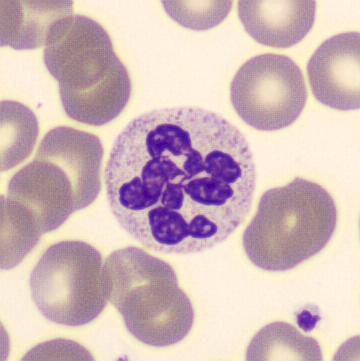
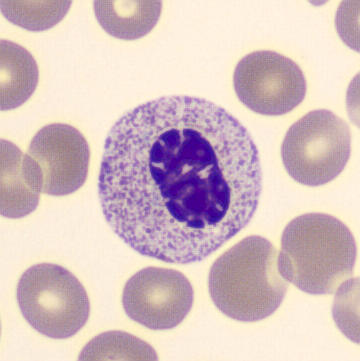
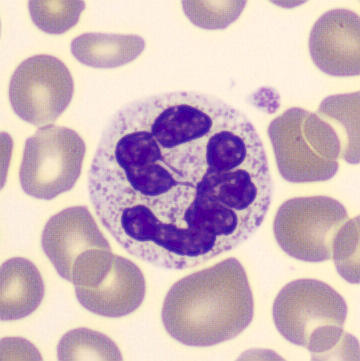
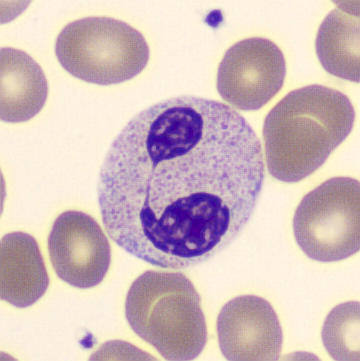
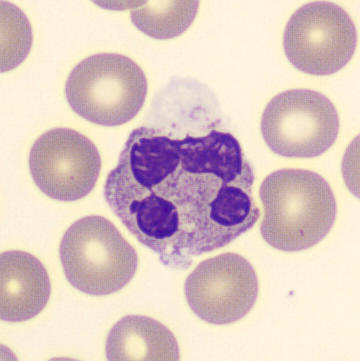
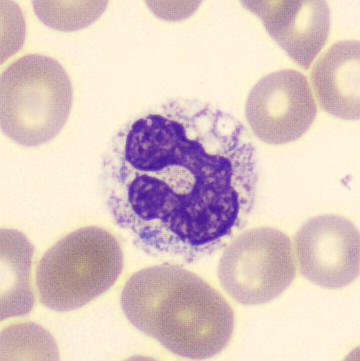
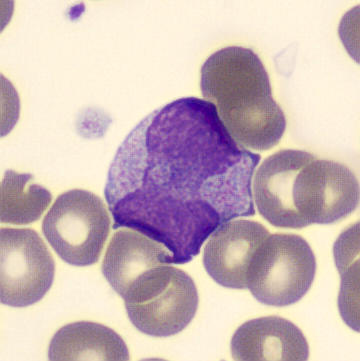
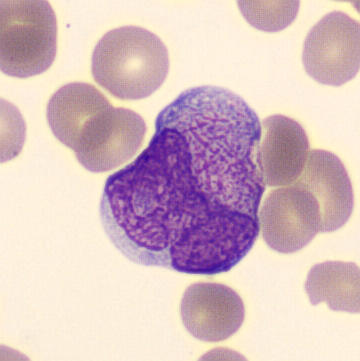
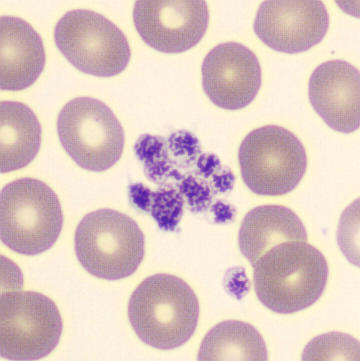
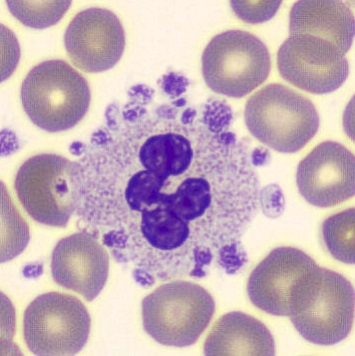
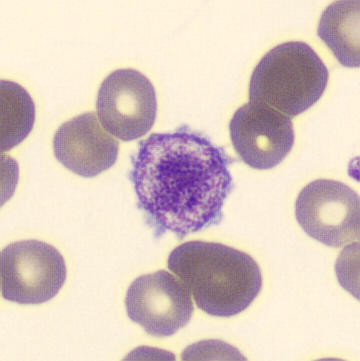
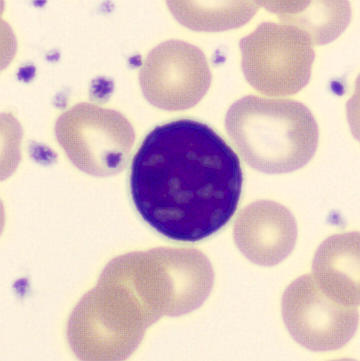
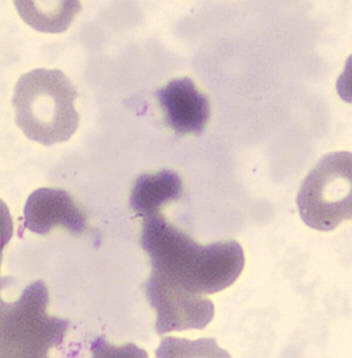
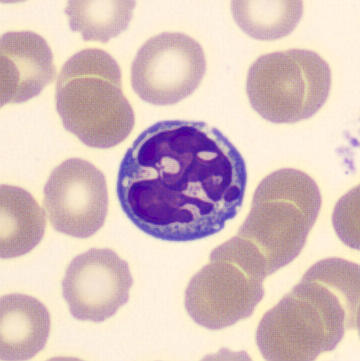
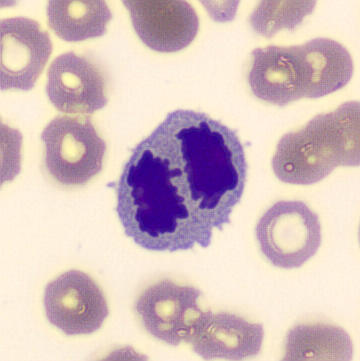
Characteristic morulae can be observed in the blood smear . These are clusters of A. phagocytophilum within membrane-bound vacuoles in the cytoplasm of neutrophils. Morulae appear as blue-purple intracellular inclusions and constitute an important morphological indicator of infection with Anaplasma phagocytophilum.