
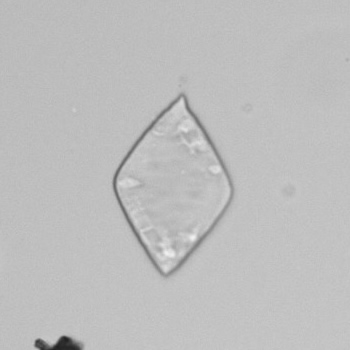
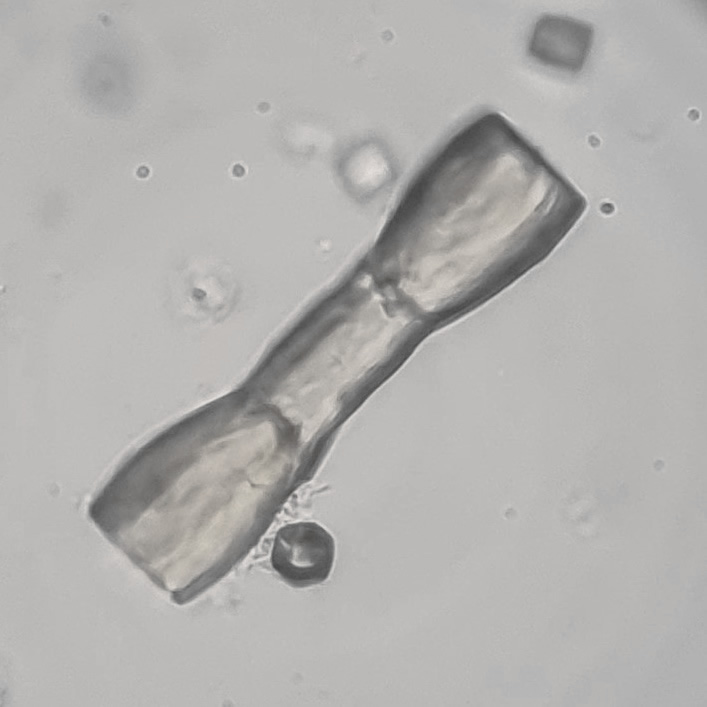
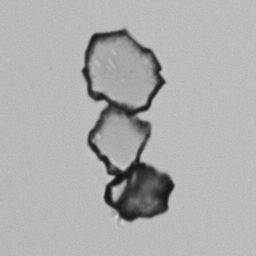



Isomorphic
Synonyms: Discocytes, Ghosts, Echinocytes, Thorn apple cells, Bite cells, pseudo-G1 cells
Pathological
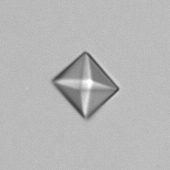
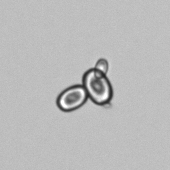
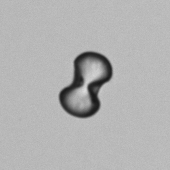
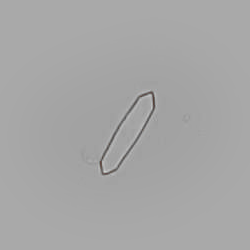
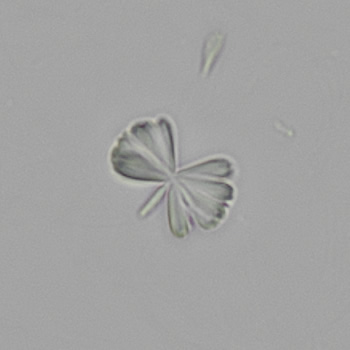
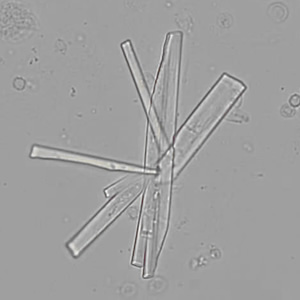
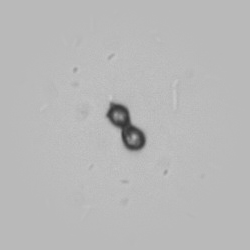
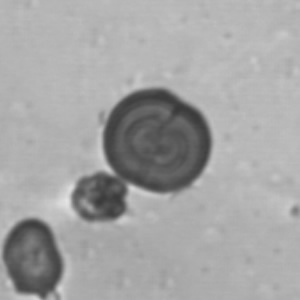
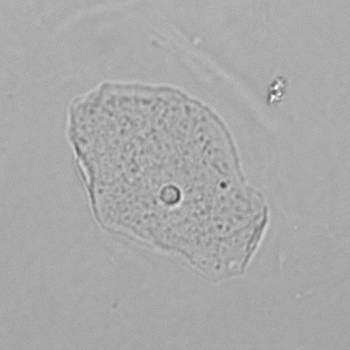
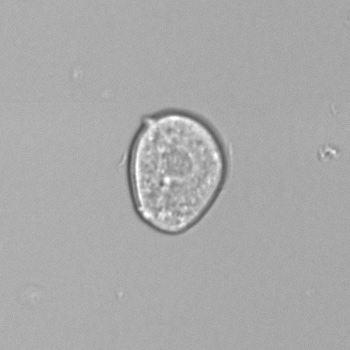
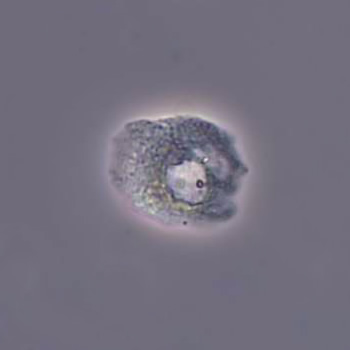
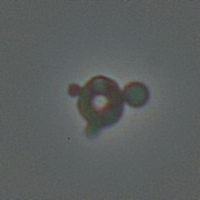
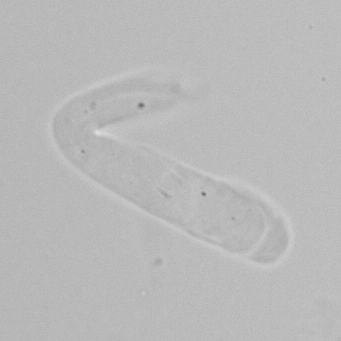
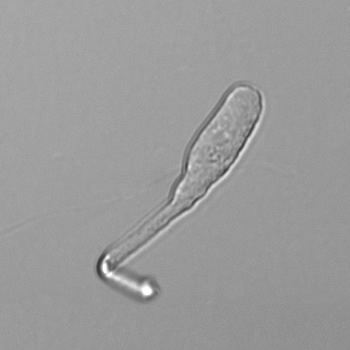
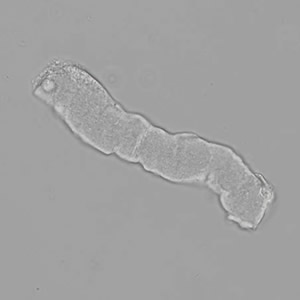
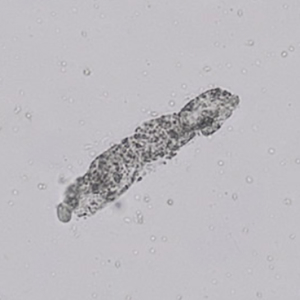
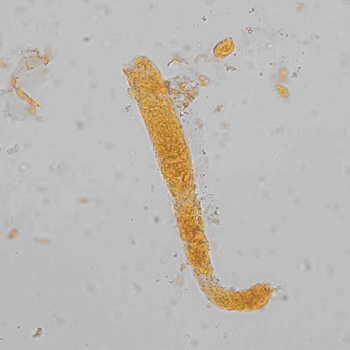
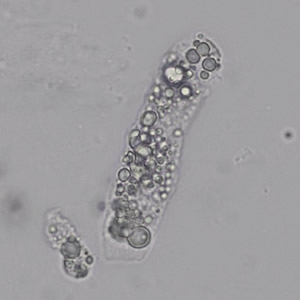
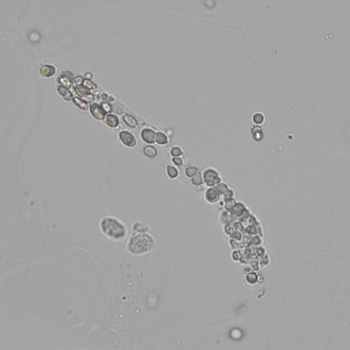
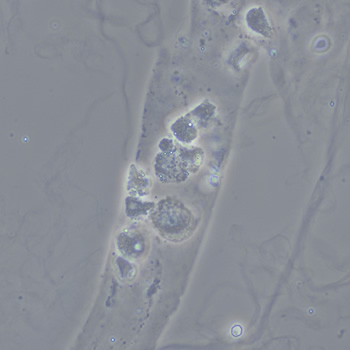
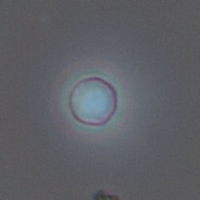
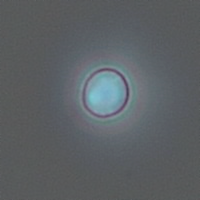
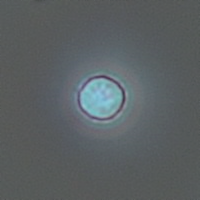
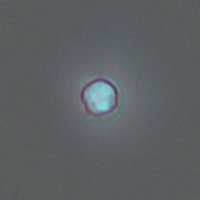
Isomorphic erythrocytes have a predominantly smooth membrane. In old urine, shape abnormalities can develop (e.g. echinocytes) making it sometimes difficult to distinguish isomorphism from dysmorphism. Assessing erythrocyte morphology in urine is therefore preferably done on fresh óf fixed urine.
Although several examples of isomorphic erythrocytes can be distinguished, there is no added value in reporting them separately.
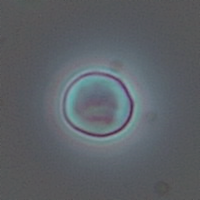
Discocytes
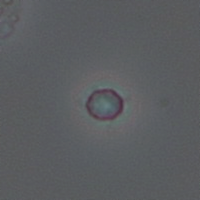
Erythrocytes with a normal biconcave shape.







Ghost cells
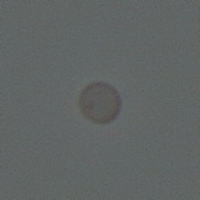
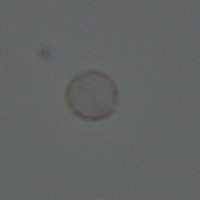
The erythrocytes may have a faded appearance (ghosts), which results from osmotic hemolysis in which the hemoglobin has leaked from the erythrocyte.




Echinocytes
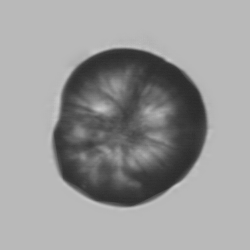
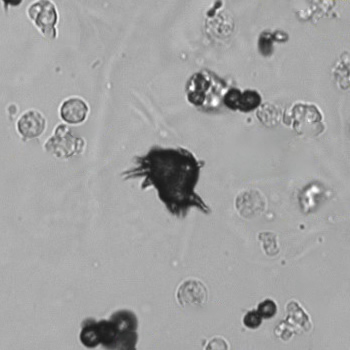
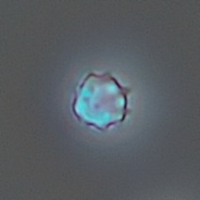
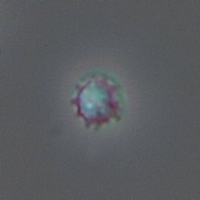
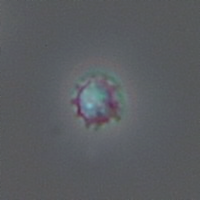
Echinocytes or spinous cells have pointed projections all over the surface of the erythrocyte. These arise from osmotic changes in the urine and are also often seen after the urine is several hours old. These erythrocytes had a normal, smooth membrane and thus are not seen as dysmorphic.







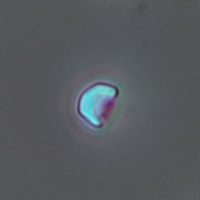
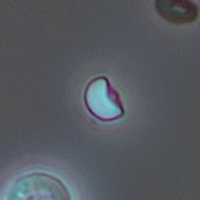
Bite cells
These erythrocytes are missing part of the membrane, making it appear as if a bite has been taken out of the cell. This abnormality can occur in peripheral blood in cases such as intravascular coagulation or G6PD deficiency.