
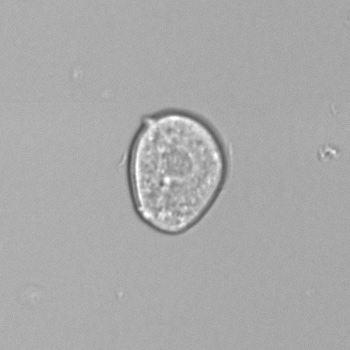
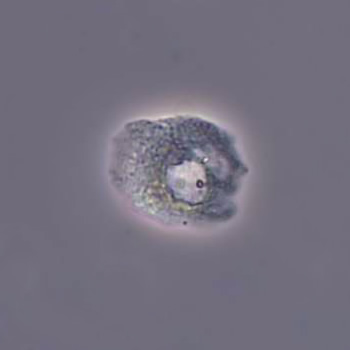

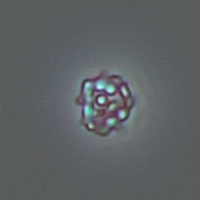


Amorphous precipitation
Synonyms: C₂₇H₄₆O, Brick dust
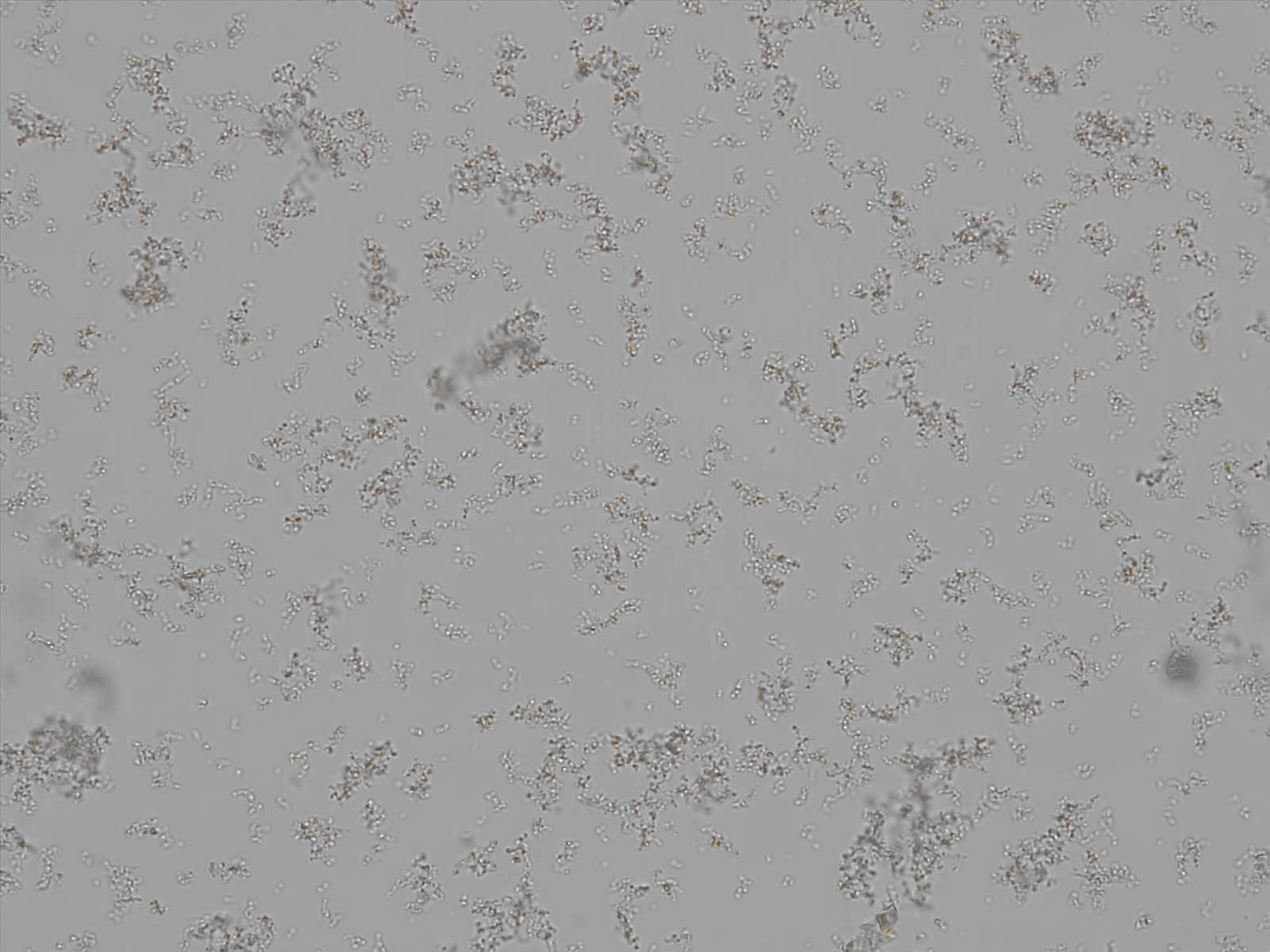
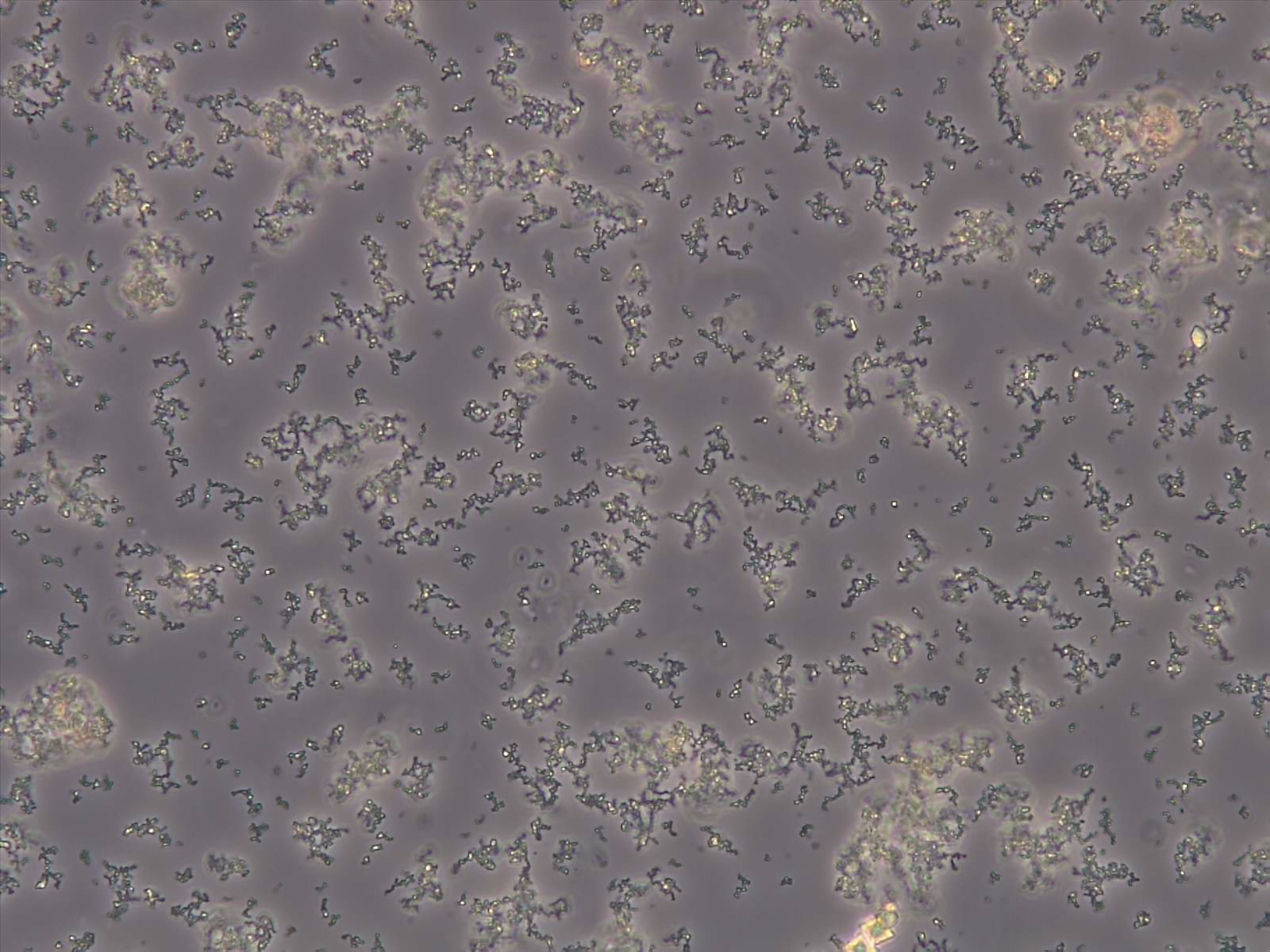
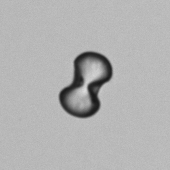
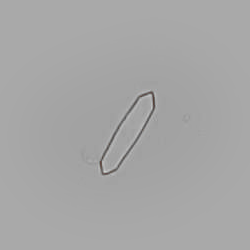
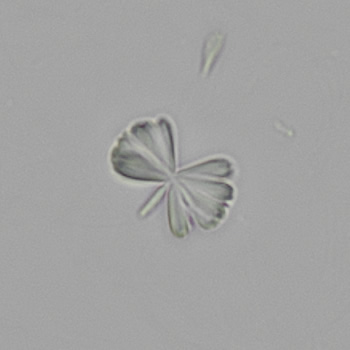
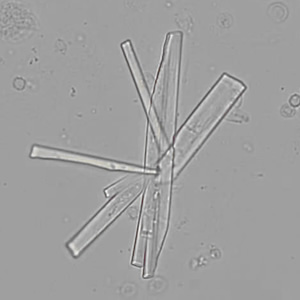
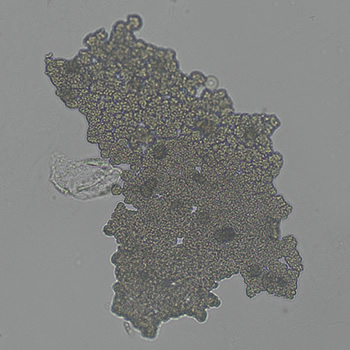
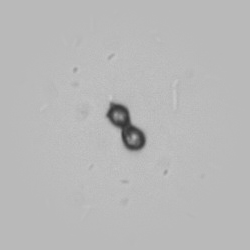
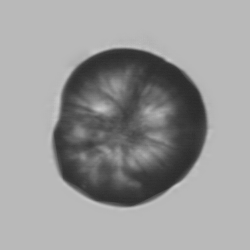
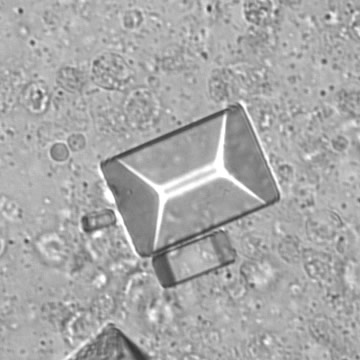
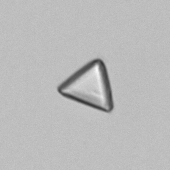
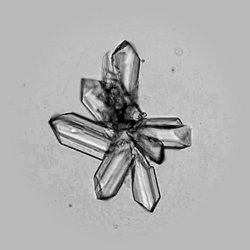
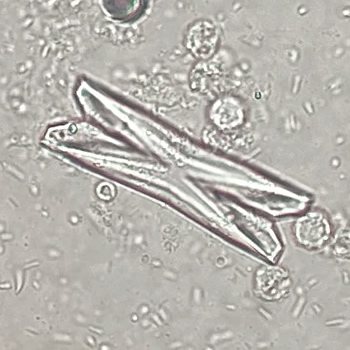
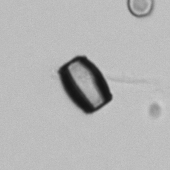
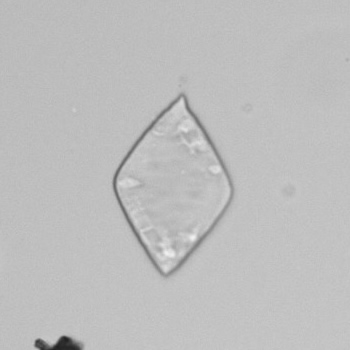
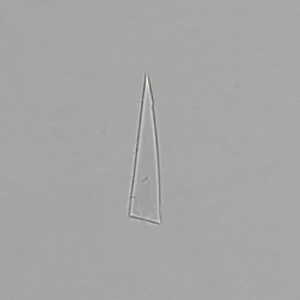
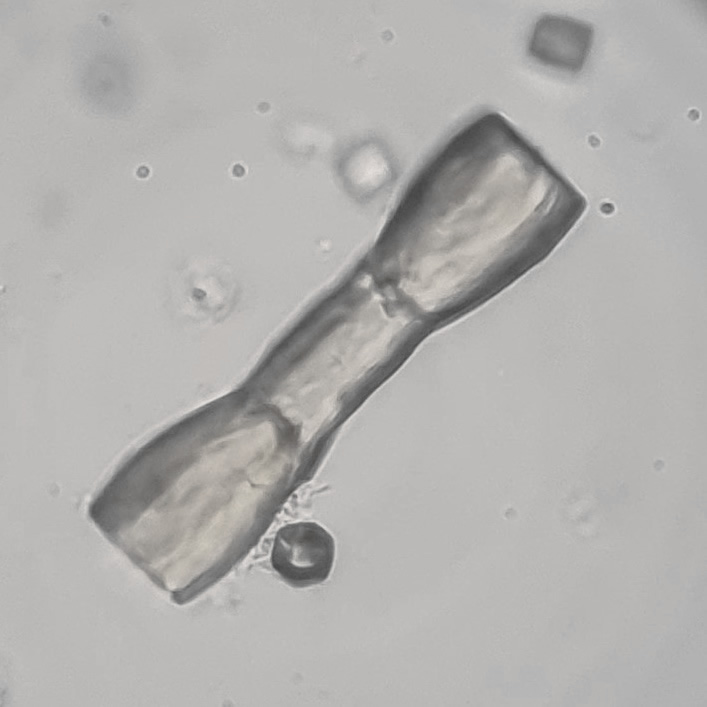
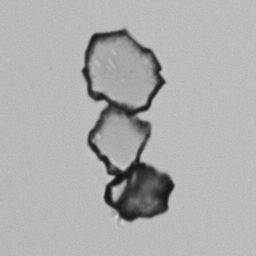
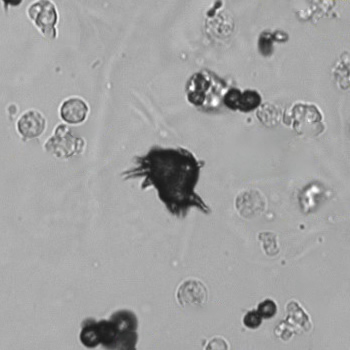
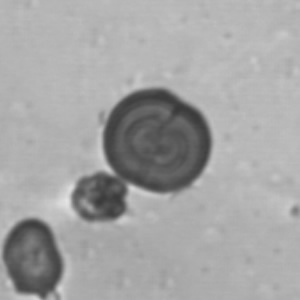
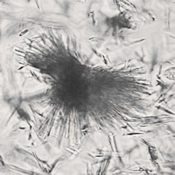
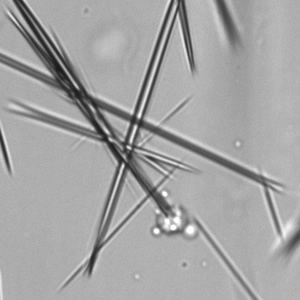
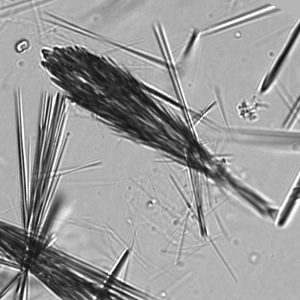
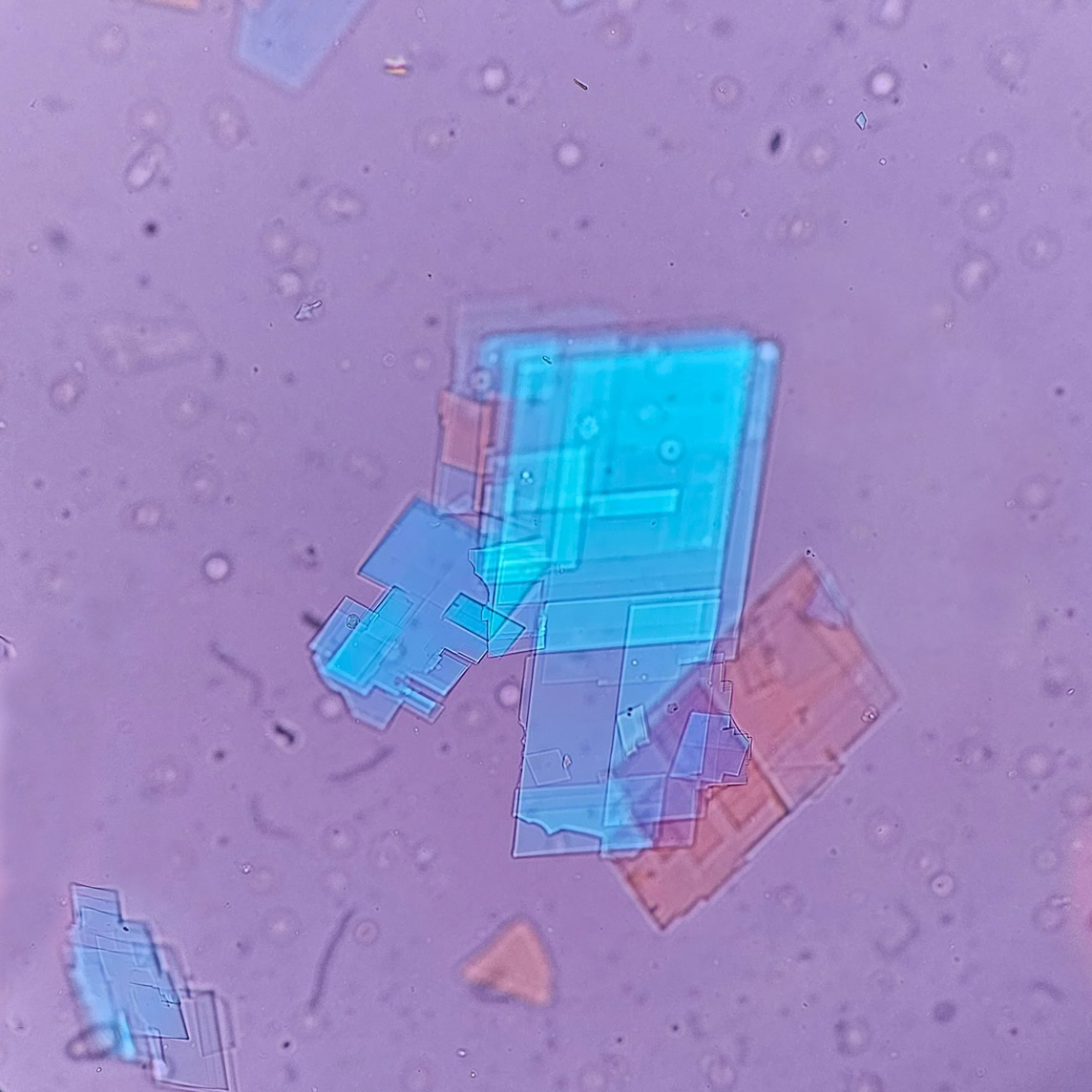
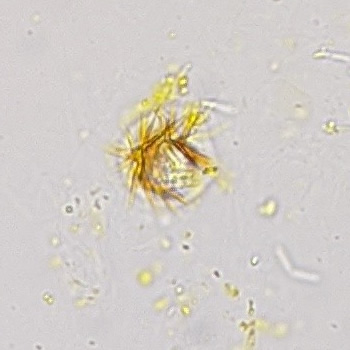
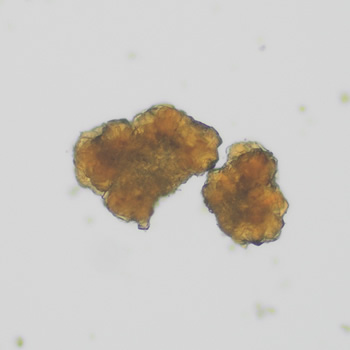
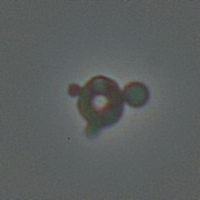
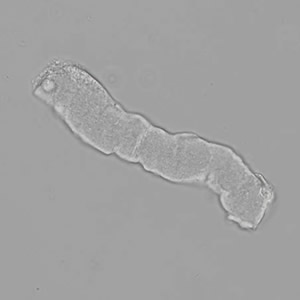
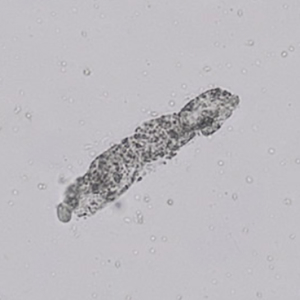
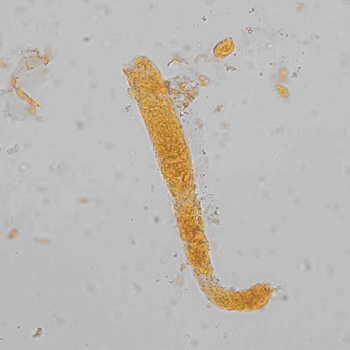
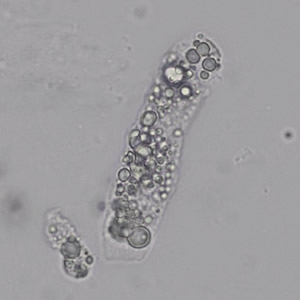
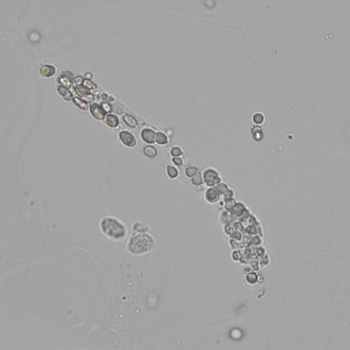
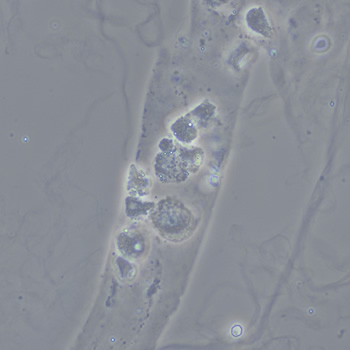
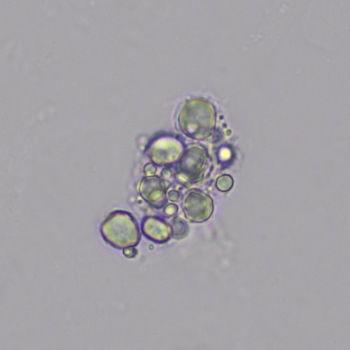
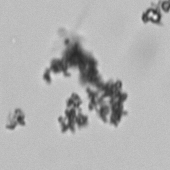
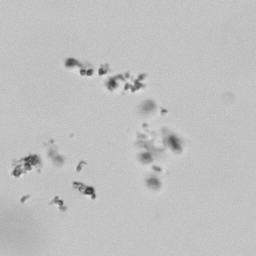
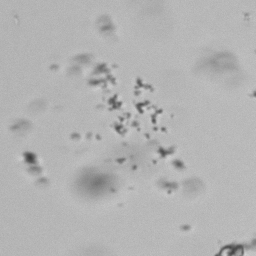
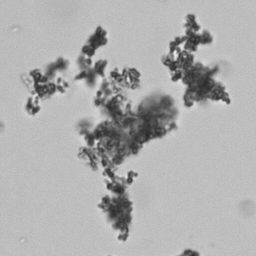
Amorphous urates and amorphous phosphates, are microscopic crystals that usually present themselves as an unstructured, clumped mass of fine grains. The exact composition is often difficult to determine, but they consist of salts of sodium, potassium, calcium or magnesium combined with uric acid or phosphate. Amorphous urates appear in acidic urine (pH < 5.8) and exhibit weak to moderate double refraction. In large quantities, they can form a pink to reddish sediment, also called "brick dust." Amorphous phosphates, on the other hand, appear in alkaline urine (pH > 6.3) and do not polarize.
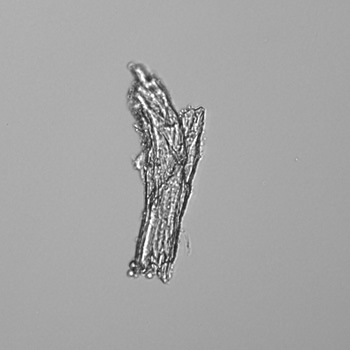
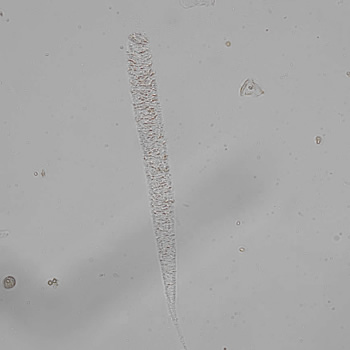
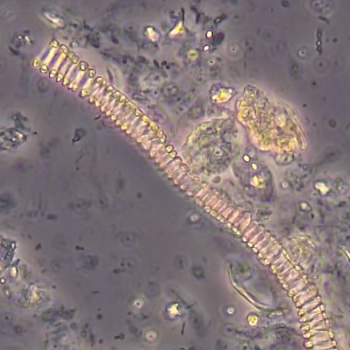
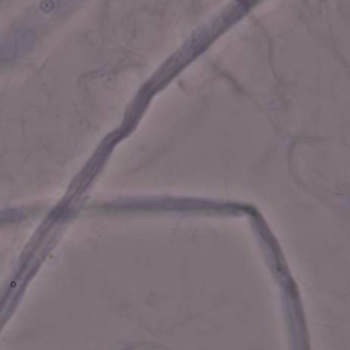
These deposits often form when a urine sample is kept refrigerated before analysis. They can greatly obstruct the view of other sediment components - such as cylinders, cells or bacteria - and are sometimes mistaken for cocci, although they show no movement. In cases of strong turbidity, heating the sediment can help dissolve the crystals and thus facilitate interpretation. Amorphous crystals may adhere to mucous threads, forming pseudocasts. These crystals usually have no clinical significance.
Technique