
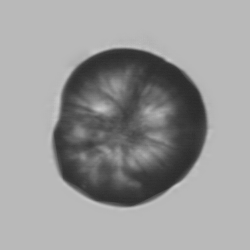
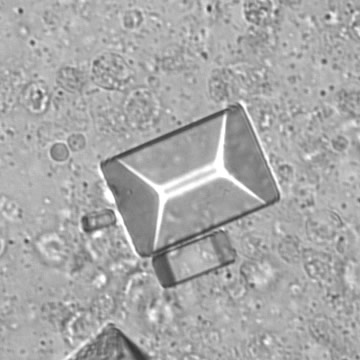
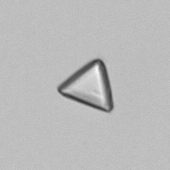
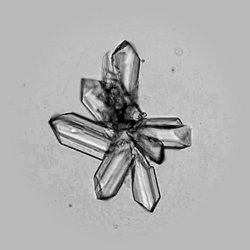
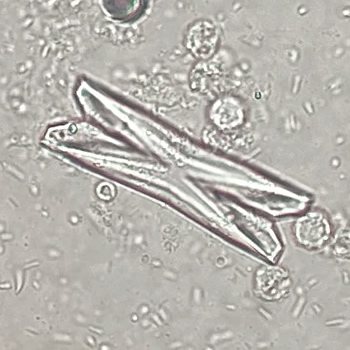
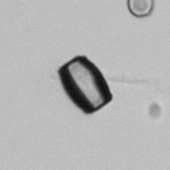
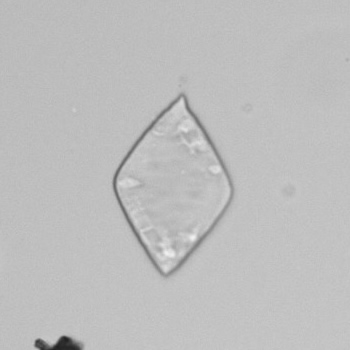
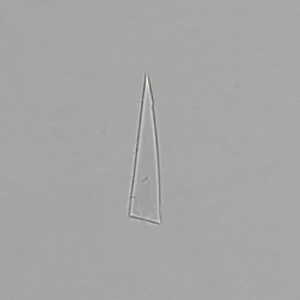
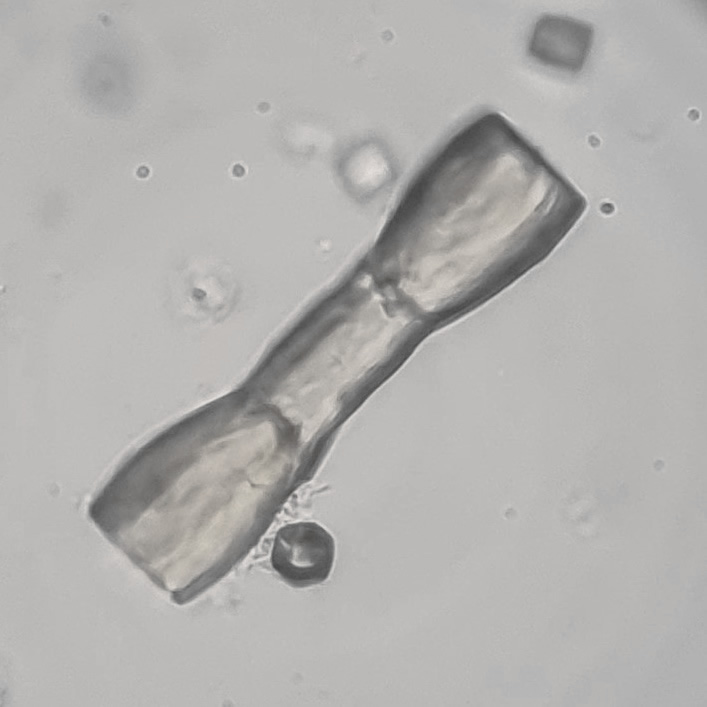
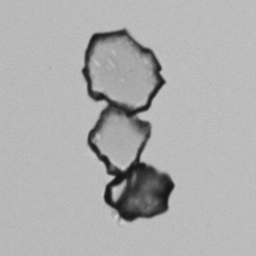
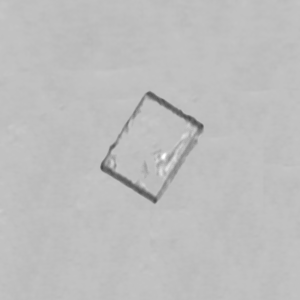
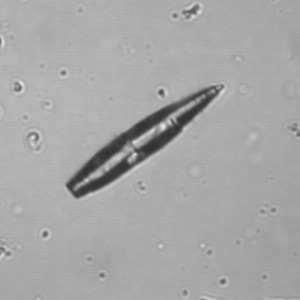
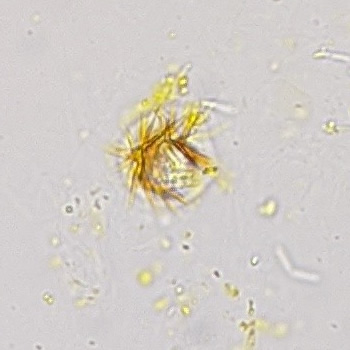
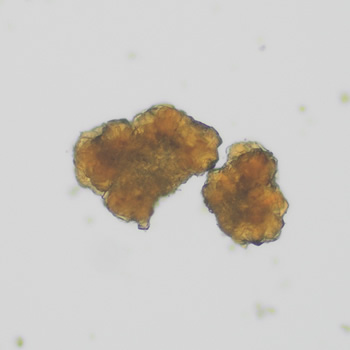
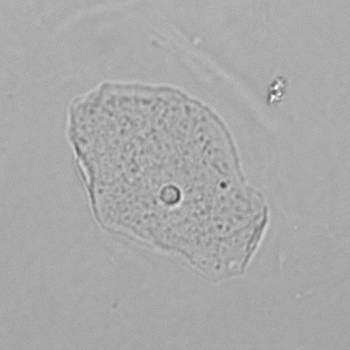
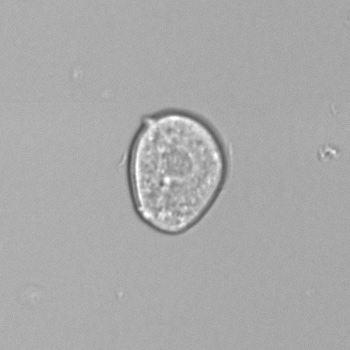


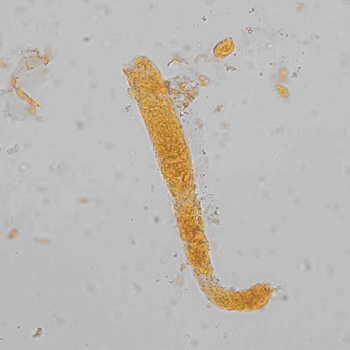
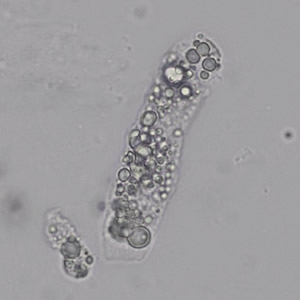
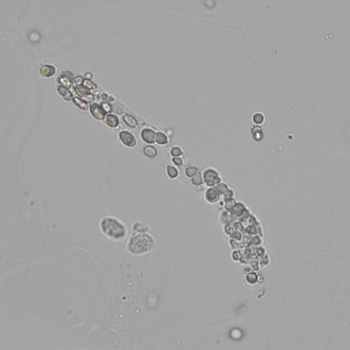
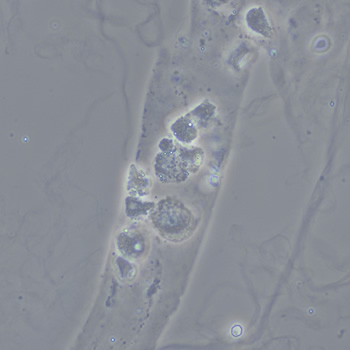

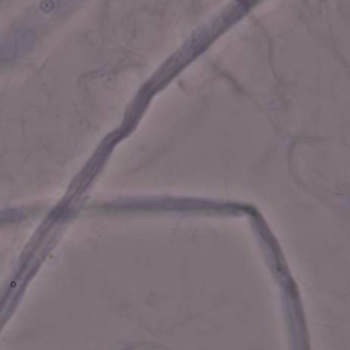
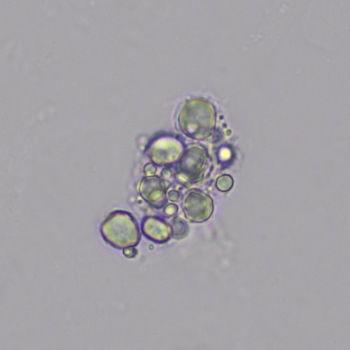
Dysmorphic
Synonyms: Mickey mouse, G1 cells, G1DE, Donut
Pathological
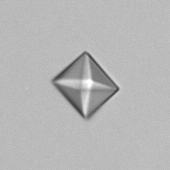
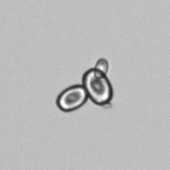
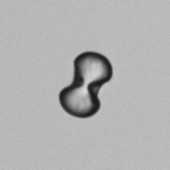
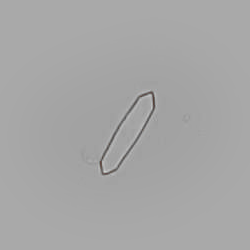
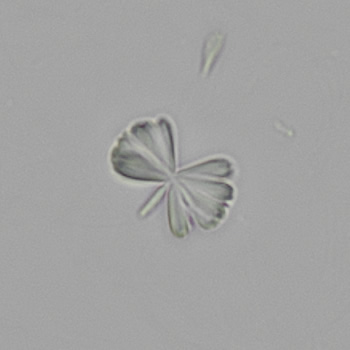
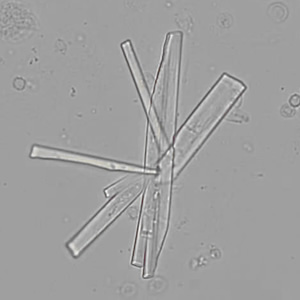
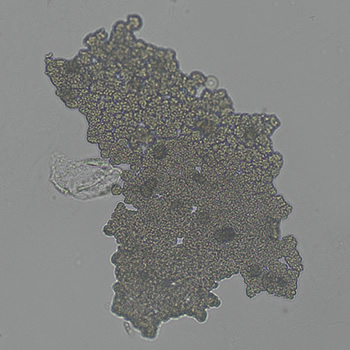
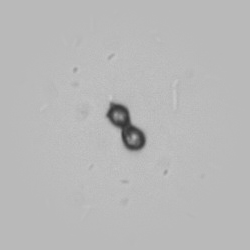
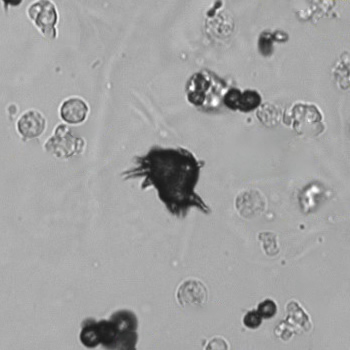
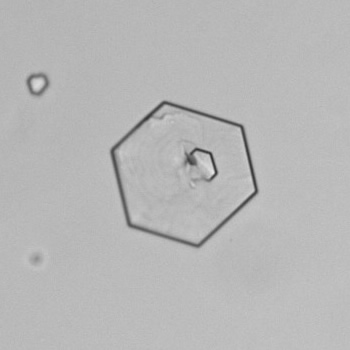
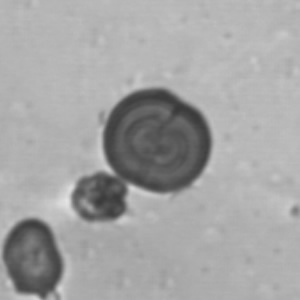
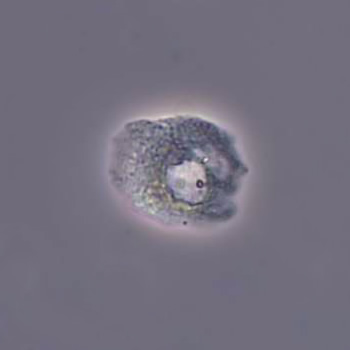
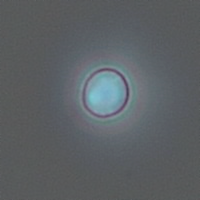
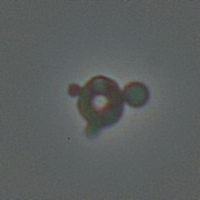
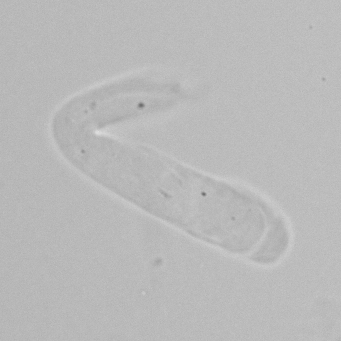
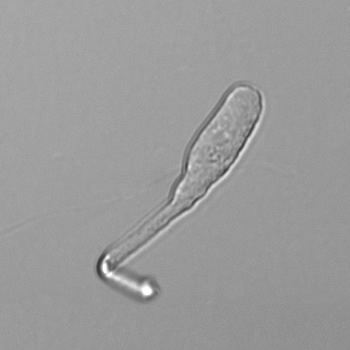
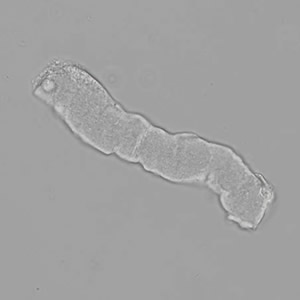
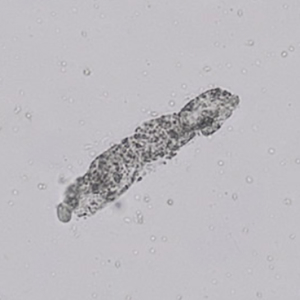
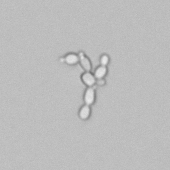
Dysmorphic erythrocytes have a distorted membrane and are associated with bleeding in the glomerulus. The probability of glomerular hemorrhage increases with a greater presence of dysmorphic erythrocytes and a polymorphic appearance. A limit of 40% is often discussed, but a lower presence does not rule out glomerular hemorrhage.
An acanthocyte is a specific type of dysmorphic erythrocyte with one or more circular membrane bulges. Finding 5% or more acanthocytes the sediment is considered an additional marker for glomerular hematuria. For this reason, it is recommended that acanthocytes always be reported separately. See also section 6.2.4.4. of the EFLM European Urinalysis Guideline 2023.
In addition to the presence of dysmorphic erythrocytes, in the context of glomerular versus non-glomerular hematuria, it is also important to note the presence of erythrocyte cylinders.
The cause of the distorted erythrocytes is not entirely known; possibly the distortion occurs because the erythrocytes are squeezed through the basal membrane of the tubules. Another theory is that the membrane of the erythrocyte is damaged by the varying osmolarity of urine in the different parts of the renal tubules. Possibly it is a combination of the two.
Miscellaneous


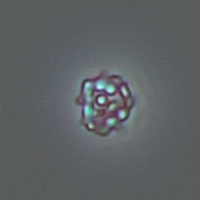


Donut Cells