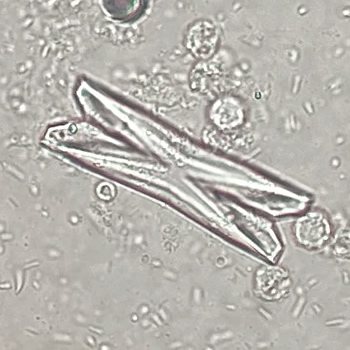
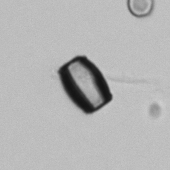
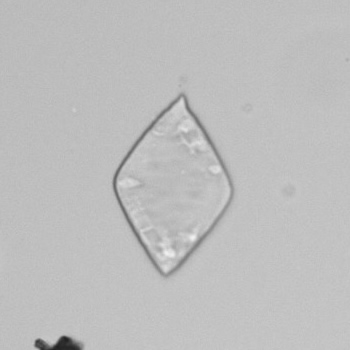
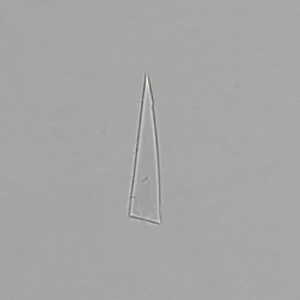
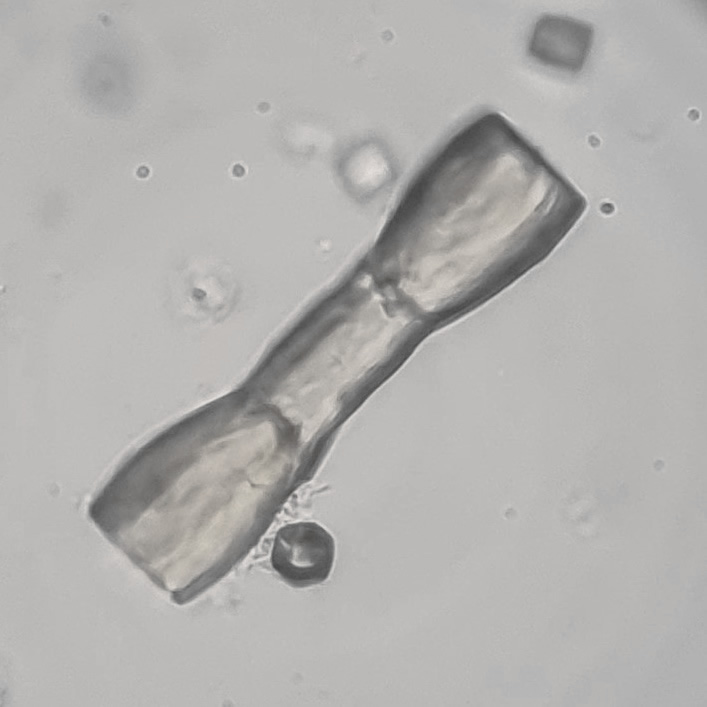
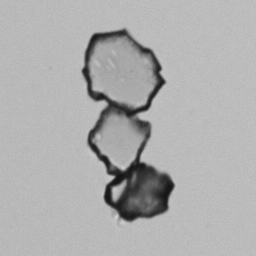
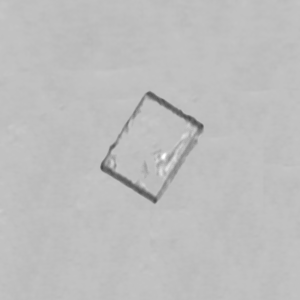
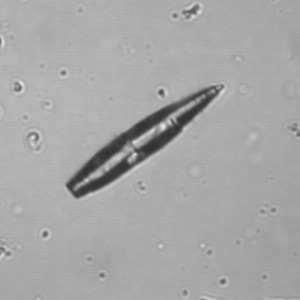
Cylindroid cast
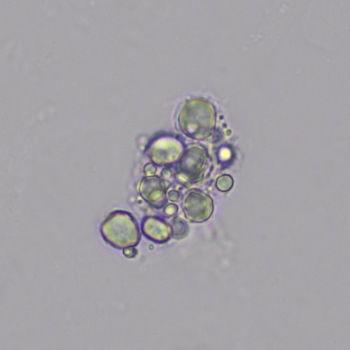
Casts are elongated structures formed in the renal tubules and composed mainly of uromodulin, also known as Tamm-Horsfall protein. This glycoprotein is secreted by cells in the ascending Lis of Henle and the distal tubule segment. The formation of casts is promoted by acidic pH and concentrated urine, conditions that allow the precipitation of uromodulin in a gel-like structure. During their formation, casts can enclose other components from the tubular fluid, such as cells, fat droplets or granular (granular) debris, creating different types of casts. In a sense, therefore, a cast can be considered a "biopsy" of the part of the tubule in which it is formed. Casts are visible microscopically, usually under bright-field microscopy, but their detection depends on their composition and transparency.
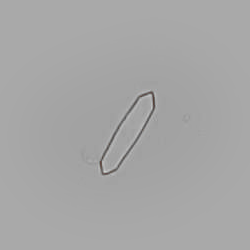
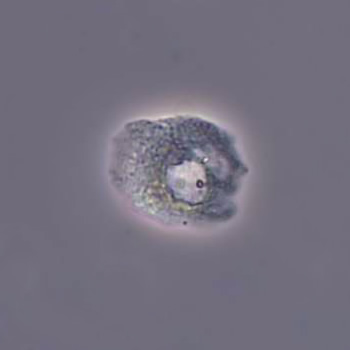
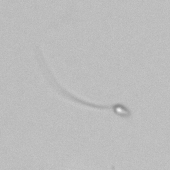
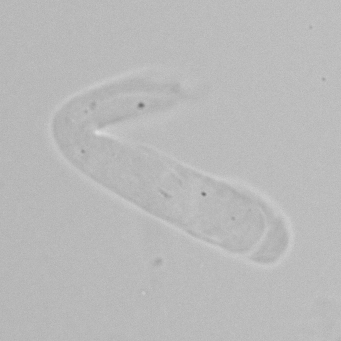
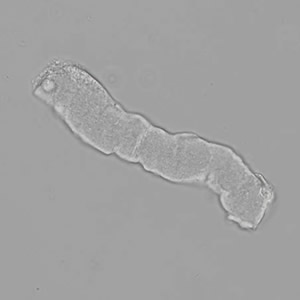
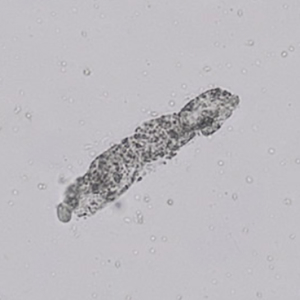
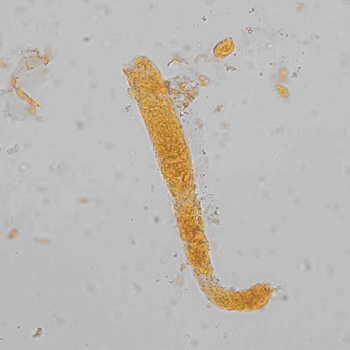
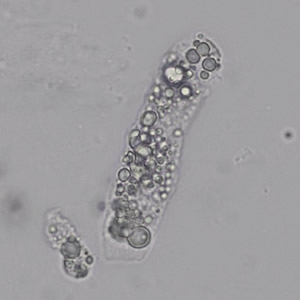
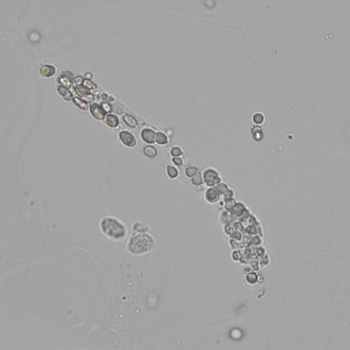
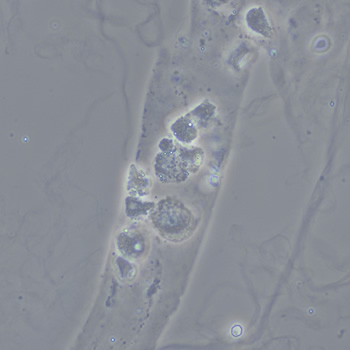
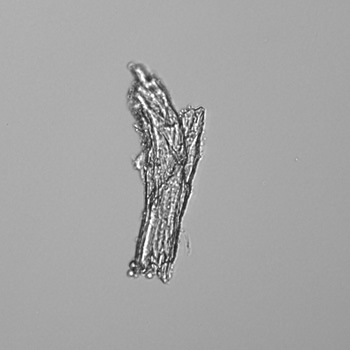
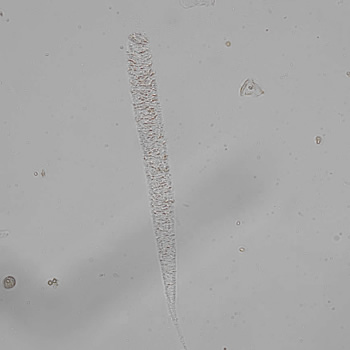
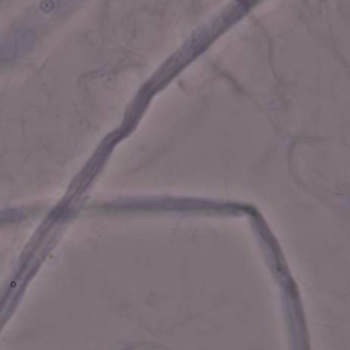
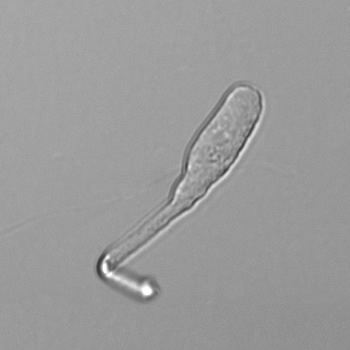
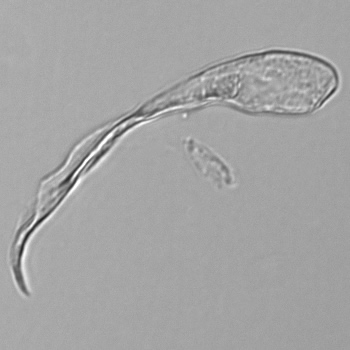
Cylindroid casts are a morphological variant of casts with a characteristic stringy (filamentous) presentation. They are usually associated with hyaline casts, but can also take on the characteristics of other types of casts such as granular, cellular or fatty casts. Because of their shape, they can be easily confused with mucus (mucus), but unlike mucus, cylindroids actually originate from the renal tubules. Although they vary in appearance, the presence of cylindroid casts has no additional diagnostic value over the corresponding normal casts from which they are derived.